Faith Over Frameworks: Bringing Christian Studies Into Your Homeschool Without the Legalistic Pressure
Aug 2026 · 6 min read
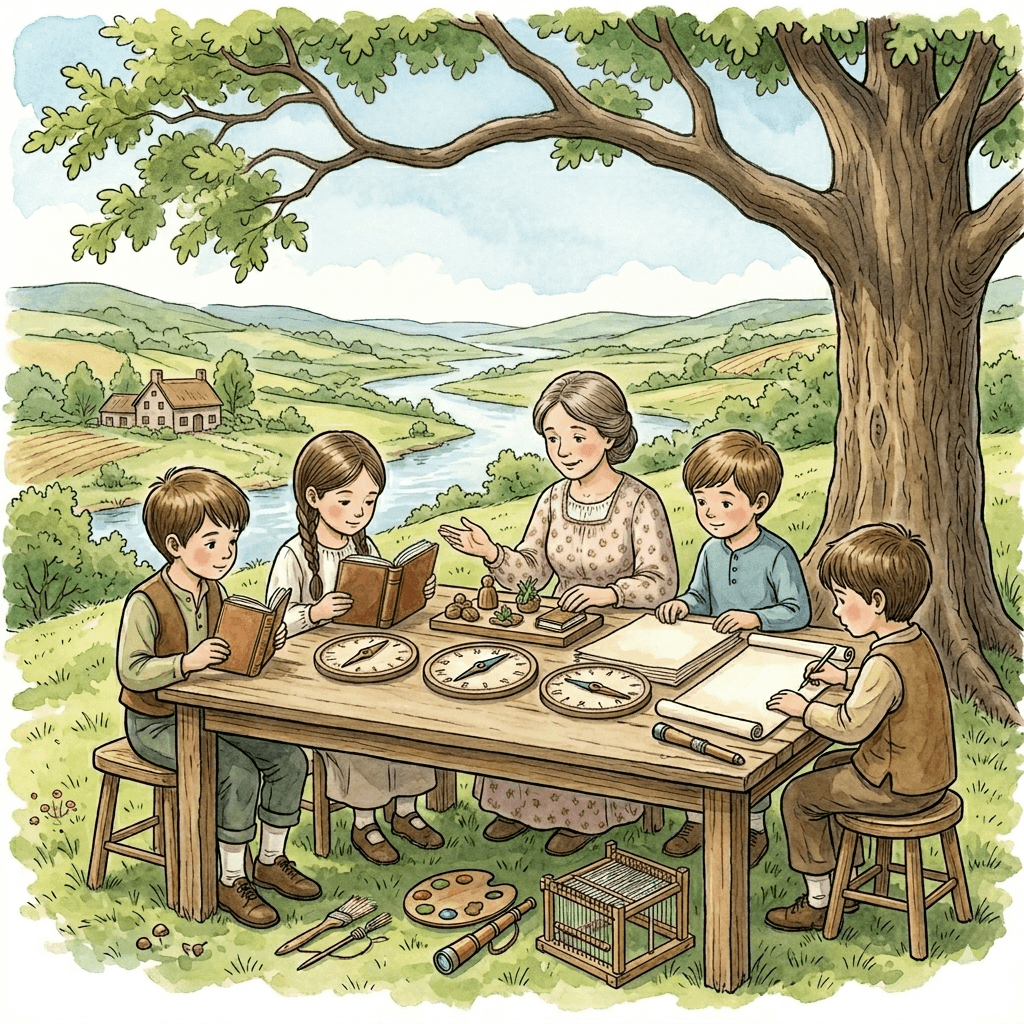
For many Christian parents, the decision to homeschool is rooted in something deeper than academics — it's a desire to nurture their children's faith, values, and worldview.
But once the journey begins, it's easy to fall into a subtle trap: we turn faith into just another subject to check off the daily list.
We buy dense workbooks, schedule strict 20-minute "Bible Study" slots at 8:30 AM, and assign memory verses like vocabulary words. Then a Monday morning gets messy, a child drags their feet through a scripture worksheet, and Bible study starts to feel like a chore rather than a delight.
Faith was never meant to be a rigid academic checklist. Here's how to weave Christian studies naturally into your homeschool rhythm — fostering true heart connection without the legalistic pressure.
1. Make Scripture a "Morning Anchor" (Not a Graded Subject)
Instead of treating Bible study like a textbook class with tests and deadlines, position it as the warm, comforting anchor of your morning:
- The Morning Basket: Gather on the couch over breakfast or tea. Read a short Psalm, a story from a gospel, or a passage from a family devotional together.
- Keep It Conversational:Ask open-ended questions — "What did you notice about how Jesus treated that person?" or "How can we practice that kind of kindness today?"
- No Worksheets Required: Let the focus be on discussion, reflection, and connection rather than fill-in-the-blank worksheets.
2. Weave Faith Into Creation & Science
One of the greatest joys of homeschooling is that learning doesn't have to be compartmentalized into separate, isolated boxes.
- Nature & Science:When studying biology, astronomy, or botany, point out the intricate design woven through nature. A nature walk isn't just exercise — it's a front-row seat to observing creation.
- History & Literature:Discuss historical events and character arcs through a lens of grace, forgiveness, and moral courage. Ask: "What choices did this figure make, and how did their values shape the outcome?"
3. Memorize Scripture Through Song & Art
Forcing kids to memorize verses through rote repetition can feel tedious. Make scripture memory a joyful, multi-sensory experience instead:
- Set verses to music, or listen to scripture-memory albums (like Seeds Family Worship) during quiet play or art time.
- Let younger kids draw or paint while listening to scripture read aloud.
- Practice verse cards together during family meals or outdoor walks.
4. The Messy Middle Is the Lesson
If a sick child, a toddler meltdown, or a busy work week interrupts your planned reading, don't let "homeschool guilt" tell you you've failed.
Living out patience, forgiveness, and adaptability in front of your children during a chaotic morning is a far more powerful lesson in faith than finishing a scheduled worksheet on time.
A Flexible Companion for Your Family's Values
You shouldn't have to choose between a faith-filled home and an organized school year.
LoveLed is built to honor your family's unique rhythm and values. Whether you include daily Bible devotions, weekly youth group activities, or specialized Christian curricula like Seton or Sonlight, LoveLed seamlessly blends your faith anchors into a living, flexible schedule.
Our philosophy-aware engine automatically shifts your week when life happens, while quietly tracking your hours, reading lists, and milestones to generate bulletproof, state-compliant portfolios in the background.
You nurture the faith. We'll handle the framework.
Ready for a homeschool schedule that honors your family's faith and rhythm?